Managing menopause symptoms can be challenging, but understanding your options makes the journey much smoother. Many women experience changes that affect daily comfort, mood, and overall well-being, prompting them to explore effective ways to regain balance. During hormone replacement therapy, healthcare experts often explain how restoring declining hormone levels can significantly reduce symptoms like hot flashes, sleep disruptions, and mood swings. When used appropriately and under medical supervision, this treatment offers relief that helps women feel more in control during this transitional stage. This article explores how HRT works and why it has become a trusted option for managing menopause symptoms.
How HRT Supports the Body During Menopause

Hormone levels begin to fluctuate long before menopause fully arrives, which can lead to uncomfortable symptoms that affect daily comfort. HRT adds controlled amounts of estrogen, progesterone, or a combination of both to the body. This addition reduces the intensity of hot flashes and helps stabilize temperature changes that often interrupt sleep. Many women also find relief from vaginal dryness, which helps improve comfort and overall well-being. By supporting the body with steady hormone levels, HRT creates a smoother transition and helps reduce sudden shifts that make symptoms feel overwhelming.
Another important benefit is improved sleep quality. Night sweats can interrupt rest and create a cycle of fatigue that affects focus and mood. HRT helps regulate temperature and reduce nighttime disruptions. Better sleep often leads to more balanced emotions, steadier energy, and improved clarity. Small improvements build up over time and make daily tasks feel more manageable. For many women, this support becomes a key step in restoring balance during a physically demanding stage of life.
Benefits for Bone, Heart, and Mood Health

Menopause affects more than temperature and comfort. Lower estrogen levels can weaken bones and increase the risk of fractures later in life. HRT can slow down this bone loss by supporting stronger bone density. This benefit helps women maintain long-term strength and mobility. For those with a family history of osteoporosis, HRT can provide meaningful protection that supports lifelong health. Mood changes during menopause can feel unpredictable and frustrating. Some women experience irritability, anxiety, or sudden emotional shifts that interfere with relationships and daily routines. HRT helps stabilize these changes by supporting more consistent hormone levels. Many women report feeling calmer and more grounded once their symptoms begin to settle. This improvement often brings back a sense of control that can feel lost during unpredictable hormonal swings.
What to Discuss With a Healthcare Professional

HRT works best with proper guidance. Before beginning therapy, a healthcare professional will consider medical history, current symptoms, and personal goals. These details help determine which type of HRT is the safest and most effective option. Some women may use estrogen only, while others benefit more from combined therapy. A personalized plan ensures comfort and reduces the chance of unwanted reactions. Regular follow-up visits help track progress and make adjustments when needed. It is important to use HRT only under medical supervision. Self-treating or using unregulated products can lead to unnecessary risks. A professional will explain the benefits, possible concerns, and how to monitor your body’s response. This support makes the process safer and more comfortable, especially during the first few months of adjustment.
HRT provides meaningful relief for many menopause symptoms by supporting hormone balance and easing the physical and emotional challenges that come with this transition. From improved sleep and fewer hot flashes to stronger bones and a steadier mood, the benefits help women maintain comfort and confidence throughout this stage of life. The key is working closely with a healthcare professional who can recommend the right plan and monitor progress safely. With the right guidance, HRT becomes a helpful tool that makes menopause feel less overwhelming and far more manageable.…
 Muscle tissue is your metabolism’s best friend because it’s incredibly hungry for





 Protein shake supplements are a convenient and easy way to consume protein, especially for those with busy lifestyles who cannot always consume protein-rich meals. They are also easy to digest, making them an ideal option for post-workout recovery.
 CBD is short for cannabidiol, and it is one of the many compounds found in the cannabis plant. CBD is a non-psychoactive compound that will not get you high. THC, or tetrahydrocannabinol, is the psychoactive compound found in cannabis that does get you high.
 CBD oil is known to be an effective nausea-reducer. However, in some cases, it can cause nausea. This is usually because CBD oil can be very potent. If you start feeling nauseous after taking CBD oil, it’s best to stop taking it and see how you feel. CBD is a safe and non-addictive product with few side effects.
 One of the main reasons to try a low-carb diet for mental health is to improve blood glucose control. When blood sugar levels are unstable, it can lead to mood swings and irritability. A low-carb diet can help stabilize blood sugar levels, which improves your mood and mental state. Plus, who doesn’t love the feeling of having stable blood sugar levels?
 Inflammation has been linked to various mental health issues, such as anxiety and depression. A low-carb diet can help reduce inflammation throughout the body, which can, in turn, improve your mental state. Additionally, a low-carb diet is packed with essential nutrients for good mental health. For example, omega-three fatty acids improve mood and cognitive function. So, a low-carb diet can strengthen your mental state, but it can also help boost your brain power!
 Mitochondria are the powerhouses of cells, and they play a vital role in cognitive function. Unfortunately, mitochondria can become damaged due to inflammation or oxidative stress. A diet that supports mitochondrial health can help improve cognitive function and mental state.
 Anxiety is based on fear and worry. When a person has an anxiety attack, the fear and worry can become overwhelming and can cause someone to go insane. This is because the person’s brain is not getting enough oxygen, and that can lead to a person going insane.
 People with anxiety attacks can hurt themselves or others since they are in a manic state and are not thinking clearly. This is why it is important to seek anxiety treatment as soon as possible. If you or someone you know is having anxiety attacks, you need to help them stay calm and reassure them that they will be okay and no one is going to hurt them lest they injure themselves and others due to paranoia.

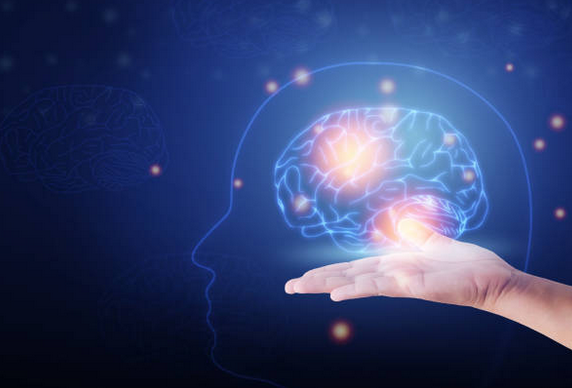
 The first thing you should consider to improve your mental health is avoiding stress. There are currently many people who are suffering from stress because of work and other responsibilities. You must find an effective way to reduce the level of stress you may have.
 It is also important to note that your social life is crucial in promoting good mental health. Because most people are busy with various activities, many do not have the time to spend with their loved ones and friends. Most people these days choose to socialize through the many social media platforms like Facebook and Twitter.
 Eating Them Raw
 How about a psilocybin pizza or a shroom powder-sprinkled pasta? You can use your culinary creativeness to discover ways to combine magic mushrooms into your dishes.
 When it comes to healthy bones and preventing osteoporosis, calcium alone is not enough. You need to be aware of other vital nutrients that help the body absorb calcium and utilize the calcium you consume. Magnesium helps the body absorb and bind calcium, which helps to build and strengthen bones and prevents osteoporosis. As your body is not good at storing magnesium, you must have sufficient magnesium in your diet.
 From achieving the highest bone density during childhood to the age of thirty and maintaining bone health for the rest of our adult lives, nutrition plays a dominant role in skeletal health. A balanced diet is required to achieve bone mass density during the transition from infancy to adulthood and reduce bone loss in the elderly, covering the necessary daily intake of calcium, magnesium, and other vital nutrients.
 Eating plant-based foods such as vegetables, fruits, nuts, and legumes
 The diet helps to protect the body from cognitive disorders which affect mood regulation. The healthy fats present in the diet are also useful in fighting age-related cognitive decline.…