

Weight loss is often linked to diet and exercise. While these factors are important, they are not the whole picture. The condition of the digestive system plays a key role in how the body processes food and stores energy. Gut health has become an area of growing interest because of its connection to overall wellness, with resources like the Gelatide website offering insights into digestive support and overall health. The gut contains a large number of microorganisms. These bacteria help break down food, absorb nutrients, and support metabolic processes. When the balance of these microorganisms changes, it can affect how the body responds to food.
The Role of Gut Bacteria in Metabolism
Gut bacteria influence how the body uses energy. Different types of bacteria break down nutrients in different ways. Some help extract more energy from food, while others support efficient digestion. An imbalance in gut bacteria can affect metabolism. When certain bacteria dominate, the body may store more energy as fat. This can make weight loss more difficult. A balanced gut environment supports stable metabolic activity. It helps the body process food in a way that aligns with natural energy needs. This balance is important for maintaining a healthy weight. The relationship between gut bacteria and metabolism is complex. Small changes in this system can have noticeable effects over time.
How Digestion Affects Nutrient Absorption
Digestion is the first step in using food effectively. When the digestive system works properly, nutrients are absorbed and used by the body. Poor digestion can interfere with this process. If nutrients are not absorbed efficiently, the body may signal hunger more often. This can lead to increased food intake. Over time, this pattern can affect weight management. Gut health supports efficient digestion. A well-functioning system helps ensure that nutrients are processed correctly. This reduces the need for excess consumption. Maintaining proper digestion is essential for balanced energy levels. It also helps support consistent eating patterns.
The Connection Between Gut Health and Appetite Control
 The gut plays a role in regulating appetite. It communicates with the brain through signals that influence hunger and fullness. These signals help control how much and how often a person eats. When gut health is balanced, these signals function more effectively. The body can recognize when it has had enough food. This supports natural portion control. An imbalance in the gut can disrupt these signals. Hunger cues may become less accurate. This can lead to overeating or irregular eating habits. Supporting gut health helps maintain clear communication between the digestive system and the brain. This connection is important for managing appetite in a natural way.
Long-Term Effects on Natural Weight Management
Gut health influences weight management over the long term. It affects how the body processes food, regulates appetite, and maintains energy balance. These factors work together to support natural weight loss. A healthy gut creates a stable foundation for these processes. It helps maintain consistency in how the body responds to food and activity. This stability supports long-term results. Weight loss achieved through balanced systems tends to be more sustainable. It relies on internal regulation rather than short-term changes. This approach supports lasting progress.
Inflammation and Its Impact on Weight
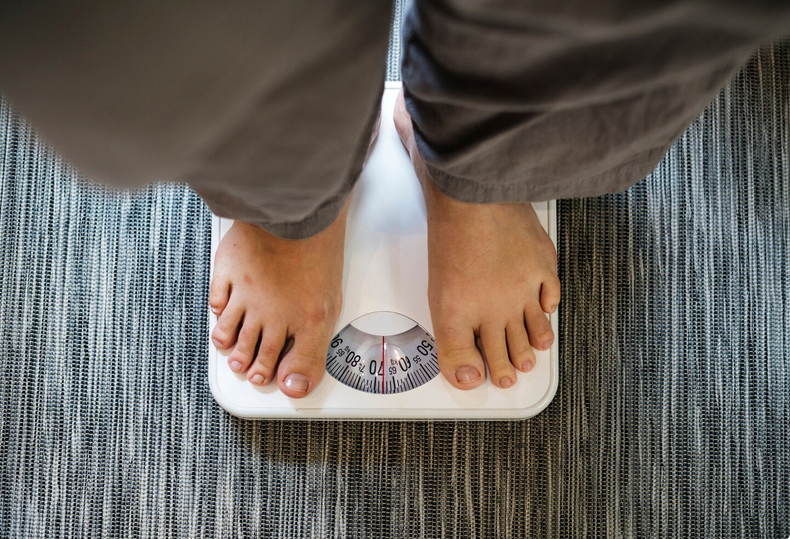 Inflammation within the body can affect weight loss. The gut is closely linked to the body’s immune response. When gut health is compromised, inflammation levels may increase. Chronic inflammation can interfere with metabolic processes. It may also affect how the body stores fat. This can make it harder to lose weight. A balanced gut environment helps reduce unnecessary inflammation. It supports a stable internal state that allows the body to function efficiently. Reducing inflammation is an important part of maintaining overall health. It also supports better outcomes in weight management efforts.
Gut health plays a significant role in the body’s ability to lose weight naturally. It influences metabolism, digestion, appetite, and inflammation. These factors work together to shape how the body manages energy. Focusing on gut health supports a more balanced approach to weight loss. It helps address underlying factors that may affect progress. This creates a stronger foundation for long-term success. Maintaining a healthy gut requires consistent care. Diet, lifestyle, and daily habits all contribute to this process. By supporting gut health, individuals can improve their ability to manage weight in a natural and sustainable way.…





 Muscle tissue is your metabolism’s best friend because it’s incredibly hungry for











 Protein shake supplements are a convenient and easy way to consume protein, especially for those with busy lifestyles who cannot always consume protein-rich meals. They are also easy to digest, making them an ideal option for post-workout recovery.
 CBD is short for cannabidiol, and it is one of the many compounds found in the cannabis plant. CBD is a non-psychoactive compound that will not get you high. THC, or tetrahydrocannabinol, is the psychoactive compound found in cannabis that does get you high.
 CBD oil is known to be an effective nausea-reducer. However, in some cases, it can cause nausea. This is usually because CBD oil can be very potent. If you start feeling nauseous after taking CBD oil, it’s best to stop taking it and see how you feel. CBD is a safe and non-addictive product with few side effects.
 One of the main reasons to try a low-carb diet for mental health is to improve blood glucose control. When blood sugar levels are unstable, it can lead to mood swings and irritability. A low-carb diet can help stabilize blood sugar levels, which improves your mood and mental state. Plus, who doesn’t love the feeling of having stable blood sugar levels?
 Inflammation has been linked to various mental health issues, such as anxiety and depression. A low-carb diet can help reduce inflammation throughout the body, which can, in turn, improve your mental state. Additionally, a low-carb diet is packed with essential nutrients for good mental health. For example, omega-three fatty acids improve mood and cognitive function. So, a low-carb diet can strengthen your mental state, but it can also help boost your brain power!
 Mitochondria are the powerhouses of cells, and they play a vital role in cognitive function. Unfortunately, mitochondria can become damaged due to inflammation or oxidative stress. A diet that supports mitochondrial health can help improve cognitive function and mental state.
 Anxiety is based on fear and worry. When a person has an anxiety attack, the fear and worry can become overwhelming and can cause someone to go insane. This is because the person’s brain is not getting enough oxygen, and that can lead to a person going insane.
 People with anxiety attacks can hurt themselves or others since they are in a manic state and are not thinking clearly. This is why it is important to seek anxiety treatment as soon as possible. If you or someone you know is having anxiety attacks, you need to help them stay calm and reassure them that they will be okay and no one is going to hurt them lest they injure themselves and others due to paranoia.





 The first thing you should consider to improve your mental health is avoiding stress. There are currently many people who are suffering from stress because of work and other responsibilities. You must find an effective way to reduce the level of stress you may have.
 It is also important to note that your social life is crucial in promoting good mental health. Because most people are busy with various activities, many do not have the time to spend with their loved ones and friends. Most people these days choose to socialize through the many social media platforms like Facebook and Twitter.
 Eating Them Raw
 How about a psilocybin pizza or a shroom powder-sprinkled pasta? You can use your culinary creativeness to discover ways to combine magic mushrooms into your dishes.
 When it comes to healthy bones and preventing osteoporosis, calcium alone is not enough. You need to be aware of other vital nutrients that help the body absorb calcium and utilize the calcium you consume. Magnesium helps the body absorb and bind calcium, which helps to build and strengthen bones and prevents osteoporosis. As your body is not good at storing magnesium, you must have sufficient magnesium in your diet.
 From achieving the highest bone density during childhood to the age of thirty and maintaining bone health for the rest of our adult lives, nutrition plays a dominant role in skeletal health. A balanced diet is required to achieve bone mass density during the transition from infancy to adulthood and reduce bone loss in the elderly, covering the necessary daily intake of calcium, magnesium, and other vital nutrients.
 Eating plant-based foods such as vegetables, fruits, nuts, and legumes
 The diet helps to protect the body from cognitive disorders which affect mood regulation. The healthy fats present in the diet are also useful in fighting age-related cognitive decline.…